
Osteopathy
Osteopath and Perrin Practitioner in Exeter, Devon
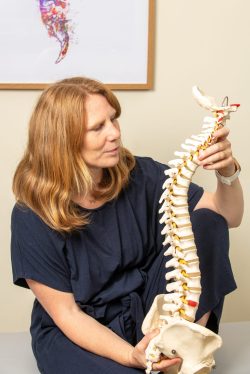
"When you have adjusted the physical to its normal demands, nature supplies the remainder."
Andrew Taylor Still - Founder of Osteopathy
How did Osteopathy begin?
The term Osteopathy was first used by Andrew Taylor Still in 1874. The autobiography of A.T Still described a fascination with anatomy from a young age that led him to study medicine and work as an apprentice for his physician father. Experiencing some of the dangerous medical practices of the time and the loss of 3 of his children to meningitis led Still to devoting his life to the development of a medical practice that was centred on interconnected body systems.
A.T Still worked tirelessly to be recognised by medical boards across America, and eventually set up a teaching school hospital and maternity hospital. He was a strong advocate for gender equality in medicine and ensured that women were treated equally during their education which was unheard of at that time. The taught education was grounded in knowledge of anatomy and the influence of dis-ease processes on the structure of the body, over time various students developed techniques that influence how osteopathy is taught and practiced today.
If you are interested in learning more about A. T Still, I highly recommend this book.
What is an Osteopath?
In the UK, Osteopaths are regulated healthcare professionals that are only able to register with the General Osteopathic Council after completing a minimum of 4-year Masters degree training, at an accredited university.
The training involves in-depth understanding of anatomy, physiology and pathology, and a minimum of 1000 hours of clinical experience to ensure that standards are maintained among practitioners.
An osteopath’s knowledge and understanding enables them to diagnose and treat people with a variety of health conditions, and to refer appropriately as required.
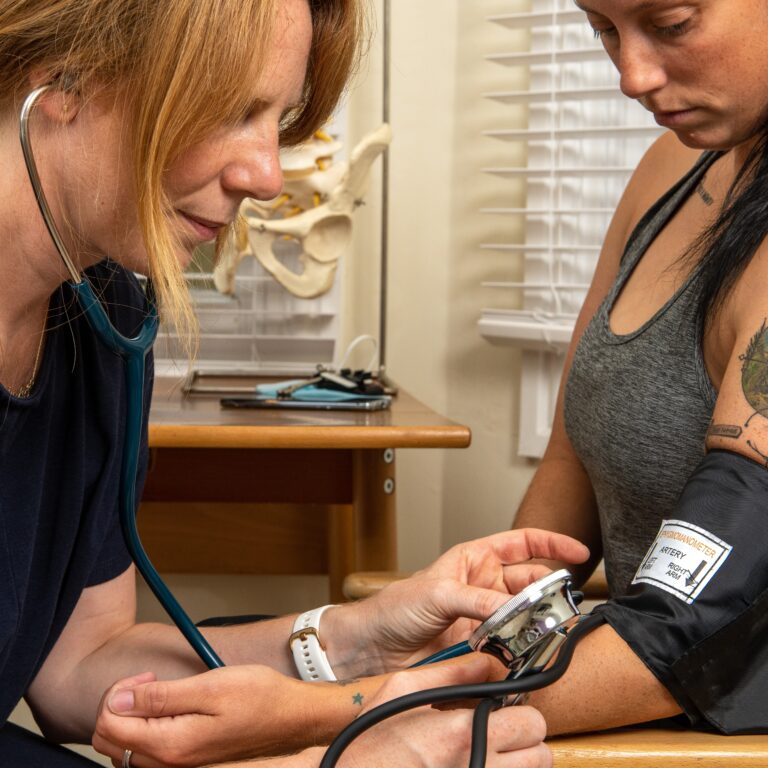

What conditions do Osteopaths treat?
Each person that visits an osteopath is unique and therefore the experience of an injury or complaint will vary. An Osteopath will look at how your body functions as a whole and address all areas that many be influencing healing or that could be exacerbating your complaint.
Commonly osteopathic treatment is sought for:
- Neck or back pain
- Sciatica
- Repetitive muscle strain injuries for example tennis/golfers elbow, or carpal tunnel syndrome
- Headaches/migraines
- Arthritic joint pain
- Other forms of joint pain
- Shoulder pain/injuries
- Foot pain such as plantar fasciitis
- Sports injuries
- Pregnancy related pain
If you are taking medication, or have underlying health issues, osteopaths are trained to understand the best treatment options to suit your needs. If your condition requires further investigation, you will be referred as necessary, with a letter if required.
What techniques do osteopaths use?
The choice of technique is dependant on the individual. An osteopath will ask you questions relating to your health and lifestyle and thoroughly assess your mobility to make a diagnosis and understand the best treatment options, this will be discussed before commencing treatment.
I take a gentle approach to treatment during which I employ a variety of hands-on osteopathic techniques which may include massage, stretching, muscle energy techniques, mobilisation, and manipulation. Techniques aim to encourage the body’s natural healing processes by restoring normal movement patterns they should not cause undue discomfort. If an area is painful or tender, I will aim to make treatment as comfortable as possible.
It is normal to experience mild soreness for a day or two following treatment, similar to the type that may be experienced after exercise. However, if this persists or you are concerned, I encourage you to contact me to discuss further, the information may provide deeper understanding of your condition and inform appropriate treatment options.

How many appointments do I need to have?
This depends on the reason for your visit. If it is a recent injury, one to three sessions should be enough. However, chronic long-term conditions may require six or more appointments before seeing the full benefits of treatment.
The ongoing plan is dependant on what you feel is best for you, some people book in for occasional maintenance appointments to optimise their recovery and reduce the risk of injuries, others will wait until they have an injury before rebooking.
At each appointment I will check how you responded to the previous treatment and advice, and I will ensure that the plan is correct and working for you.
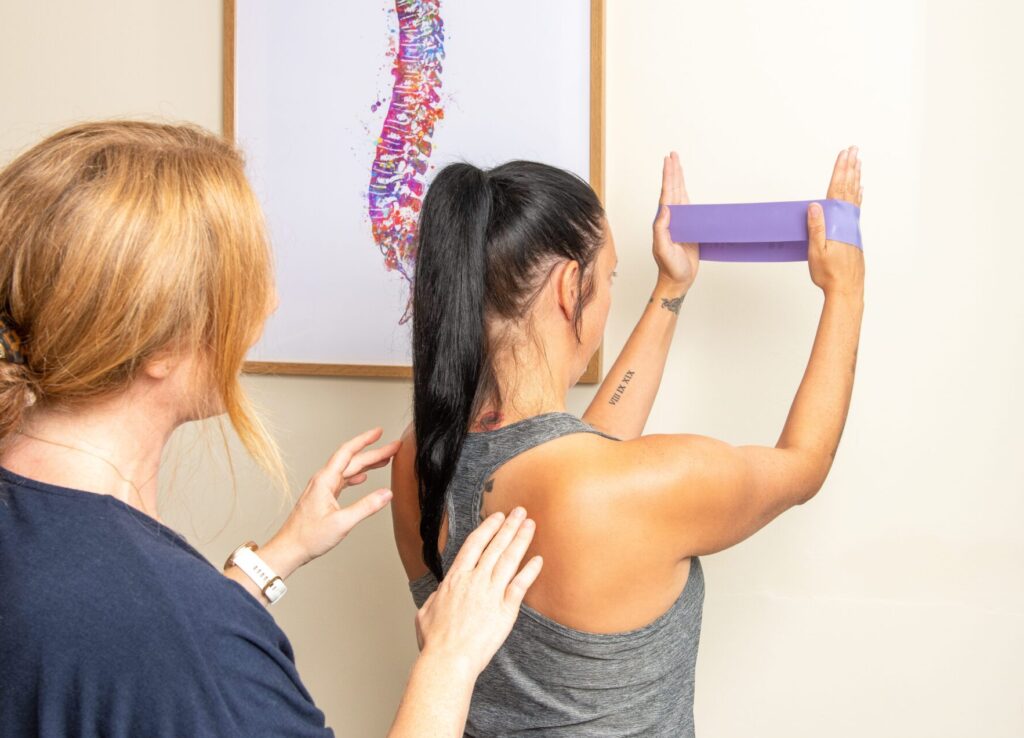
Will you give me anything that I can do at home?
Yes, I believe that self-management of your condition is vital to recovery. I aim to provide information and movement advice that will benefit you personally and ensure that it can be fitted in around your work and life commitments.
However, this is not a one size fits all approach with a sheet of exercises, every person is different and while certain exercises will be good for some they may not work so well for others.
To ascertain what will be best for you, part of your initial appointment will be centred around understanding your health goals, subsequent appointments will address how you are getting on with attaining these.