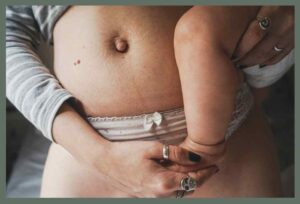
Hi there, amazing mumma-to-be! Firstly, congratulations. Your body is embarking on an incredible journey—one of transformation, adaptation, and deep inner wisdom. I’d love to share how osteopathy, with its gentle and intuitive approach, can support you through each stage of pregnancy, helping you feel more at home in your changing body.
First Trimester: Honoring the Changes
In these early weeks, so much is shifting beneath the surface. Your body is preparing, adjusting, and making space for new life. Osteopathic treatment can offer gentle support, helping to ease the muscular and postural changes that come with this phase. Together, we can nurture balance and comfort, allowing you to move through the first trimester with more ease and connection.
Second Trimester: Embracing Growth
As your baby grows, so do you. This is often a time of expansion—physically, emotionally, and energetically. Osteopathy can help you navigate this stage by supporting spinal alignment, relieving tension, and creating space for deep, restorative relaxation. Using a specially designed pregnancy cushion, you can even experience the comfort of lying on your front—something many mums-to-be cherish. This is your time to lean into support, allowing your body to feel strong and open as you move forward.
Third Trimester: Preparing for Birth
As you near the final stretch, you may feel the weight of pregnancy—both literally and figuratively. The growing pressure on your pelvis, diaphragm, and lower back can bring discomfort, but osteopathy offers a way to soften into this transition. Gentle hands-on techniques encourage space and mobility, helping you breathe more freely, move with greater ease, and feel more aligned as you prepare for birth.
Supporting Your Body’s Wisdom
Pelvic Balance & Stability
Your body is designed to adapt beautifully, guided by hormones like relaxin, which soften ligaments and prepare you for birth. Osteopathy helps maintain pelvic alignment and mobility, ensuring you feel strong, stable, and supported.
Postural Freedom
As your center of gravity shifts, your posture naturally follows. With mindful osteopathic care, we can support spinal mobility, ease tension, and help you move in ways that feel fluid and pain-free.
Joint & Muscular Ease
Weight distribution changes, tension builds, and discomfort may arise in the hips, lower back, ribs, or shoulders. Through gentle techniques, osteopathy helps relieve these areas of strain, restoring ease and lightness to your movement.
The Power of Osteopathy in Pregnancy
Osteopathy isn’t just about relieving aches—it’s about deep support for your whole being. Through tailored, hands-on care, we can bring awareness to your body’s needs, helping you move through pregnancy with more comfort, strength, and confidence. From back pain and hip discomfort to overall tension, we’ll work together to transform these challenges into moments of reconnection with your body’s innate power.
This journey is yours, and your body is carrying you through it with wisdom and resilience. Osteopathy simply offers a way to nurture that process—to create balance, ease, and a sense of readiness as you approach the incredible moment of birth.
Want to explore more?
I’ve created a free guide, “Empowering Your Pregnancy Journey,” designed to support you through each trimester with:
✨ Holistic wellbeing tips tailored to your changing body
✨ Gentle hands-on techniques for comfort and balance
✨ Expert insights to help you feel strong, centered, and empowered
You deserve to feel supported, nurtured, and deeply connected to yourself during this transformative time. Download the guide and let’s walk this path together.